Well, it’s been a minute since I’ve thought about this blog. It was originally intended to be a field blog. A real-time record of deep field Antarctic geology work. That pursuit went on hold there for a minute.
In the intervening time, good things have happened personally, professionally, scientifically. We are telling new stories from old rocks, unearthed from the dungeons of various university geology departments and national rock repositories. With immense support from my institutes, colleagues, and collaborators we’ve been able to envision a new way of conducting research without field work. I’ll attempt to dive into those details in forthcoming posts.

I’ve also been lucky enough to be a mercenary scientist working alongside an international team of new and old friends. In 2021/2, we took a boat trip to one of the more vulnerable areas of Antarctica, the Amundsen Sea. We achieved more in 20 days than any of us thought and out popped a lifetime of memories and friendship, including some scientific breakthroughs. Again, more on that soon.

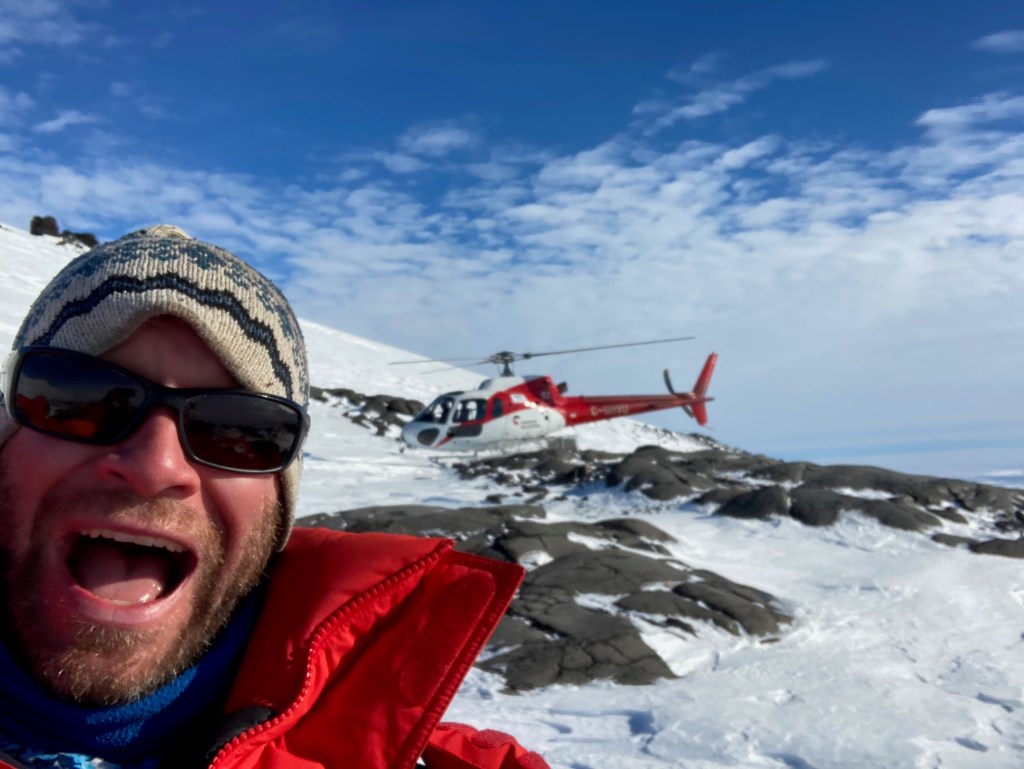
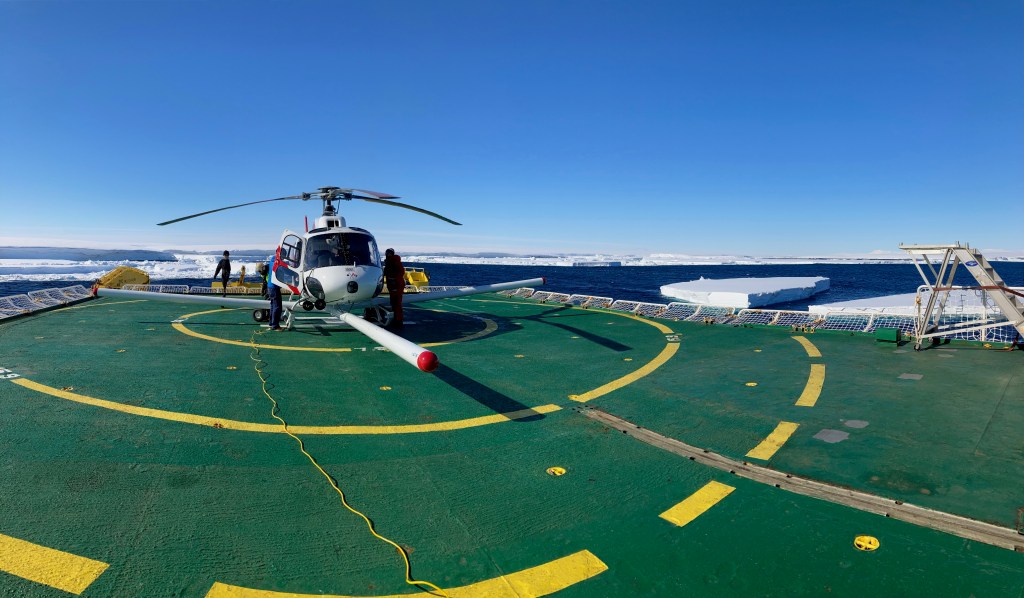
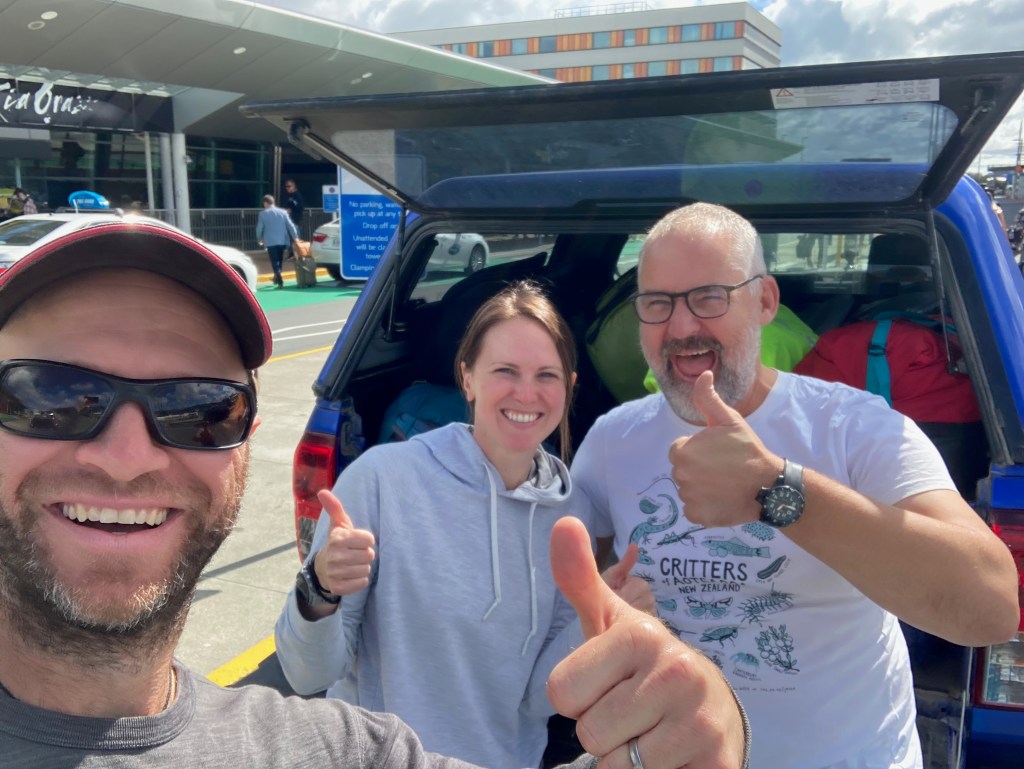
This year has been one of great change. After 7 years in Aotearoa New Zealand, my partner and I have moved back home to the Midwest US. I’ve taken up a new role as the assistant director of the Polar Rock Repository, a place I worked as an ignorant undergraduate student and where I first learned that working in Antarctica was a dream I didn’t know I had. It’s essentially been a single-track mindset since then. Coming back home to Ohio & Michigan is special to say the least.
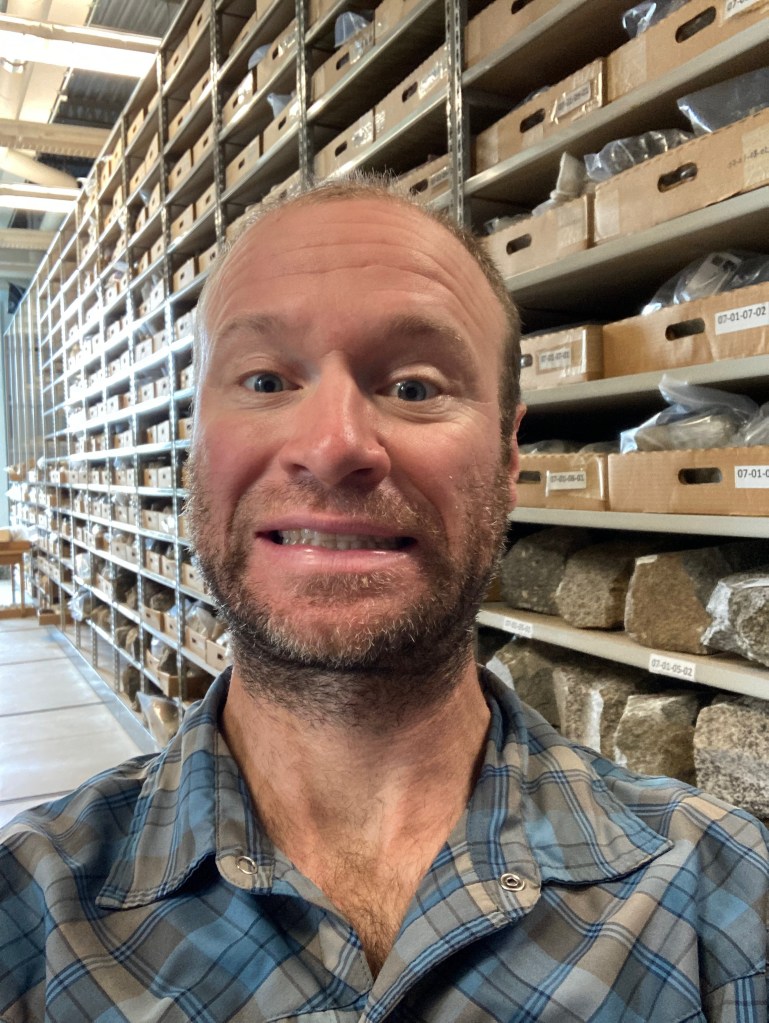
That’s the short and sweet of the past few years…but I’m here now to pick up where we left off. We are back in Antarctica, seeking to unravel the long-term changes of the Byrd and Mulock Glaciers. The priority this year for Antarctica New Zealand Event K861-2324 is a deep field camp at Mt. Tuatara along the southern flank of the mighty Byrd Glacier. Once again, we’ll aim to scour the landscape for little glacial droppings called glacial erratics, take them back to the lab and extract a history of foreign rock exposure and glacial change. The difference this year is to extend our stay beyond a single day visit and find out what happened at the beginning of the end of the last ice age. After all, understanding the past should help measure expectations into the future.
So far, this season has come with its typical triumphs and challenges. The excitement of an Antarctic deployment is immense. Uncertainty, delays, training, remembering…all a part of it. Personally, this year is special in that I get to share the experience with two first timers, who will ultimately develop the story we are trying to tell. This new and rewarding feeling changes the game entirely. Seeing the wonder, confusion and excitement really defines the ultimate meaning of this trip. After this season, I intend to take a step back from deep field work pursuits. Being able to share what I’ve learned down here provides comfort that the work will continue and I’ll be able to follow along from home.
After that magical first step on the ice, my team and I have followed a pre-defined path as we prepare for the deep field. We’ve learned how to drink more water in this polar desert. We’ve learned how to be ready…and then wait. We’ve learned how to sleep in a tent. We’ve learned each other’s little ticks. And most importantly, we’ve made mistakes in a controlled environment.
For now, we are at Scott Base, enjoying a small rest around the holiday season. We are lucky to have incredible support from a team of professionals dedicated to our scientific success. It’s great to see those hardworking individuals have a much-needed break and a chance to enjoy the bizarre holiday traditions of this frozen continent. Anti-Claus paid us a visit and facilitated distribution of extremely thoughtful handmade gifts. Our team escaped the base to enjoy a night out at the Square Frame, a kiwi-style bach of sorts…out on the ice shelf with a couple nice views of Ross Island. We exchanged gifts, stories and got some rest from the little village at base.
We also took part in some recreation fun: a 10k run around McMurdo (in onesies!), explored local ice caves and walking trails and got to see the opening of the local ski field.
Finishing off the new year, we completed some much-needed crevasse rescue training at the ‘crevasse simulator’, a 2-3 meter hole dug out of the ice shelf by a front end loader. This training gave us the opportunity to practice teamwork and rope skills in the case anyone falls in while walking across a glacier to our site of interest. We all feel confident in our skills and in each other…fingers crossed our preparation and patience pays off! And one more wee rest with Ice Stock, Antarctica’s only outdoor music festival. It never disappoints!
We put together this little clip to highlight all the fun we’ve had so far. It’s quite difficult to both experience and share all the fun. For now, we’ll leave you with this 6 min tiki tour.
If you’ve made it this far, I apologize. I understand my writing can be frustrating. But if you can stick it out, you’ll read a few unique stories of ice, time and rocks. After all, I hope that’s why you came in the first place.
 ...Ice Time Rocks...
Hi Jamey Good to know you’re alive and well and on the ice. Sunny NY day here in Wellington…Peter
LikeLike